Posts Tagged ‘pickles’
“In the last analysis, a pickle is a cucumber with experience”*…

In an excerpt from their book, The Pickled City: The Story of New York Pickles, Paul van Ravestein and Monique Mulder explore the evolution of fermentation across the ages…
Pickling vegetables began in Mesopotamia around 2400 BCE, where brining cucumbers addressed the challenge of preserving food in a hot climate. Brine, a mixture of water and salt, proved effective at inhibiting spoilage while enhancing the flavor of food. This innovation quickly spread to neighboring civilizations, embedding itself in the culinary practices of ancient Egypt, Greece, and Rome.
Cleopatra, one of Egypt’s most iconic figures, believed that pickles contributed to her legendary beauty. This association between pickles and vitality reflected a broader cultural fascination with preserved foods. Julius Caesar ensured that his soldiers carried pickles on their campaigns, claiming that the preserved vegetables fortified their strength and stamina. This notion of pickles as both nourishment and tonic was echoed by Greek philosophers like Aristotle, who praised their medicinal properties.
The culinary sophistication of ancient Rome brought pickling into sharper focus. The Roman cookbook attributed to the Roman merchant and epicure Apicius, De Re Coquinaria, included numerous references to preserved vegetables, particularly olives and cucumbers. Apicius wrote of the importance of balance in brining, using spices like dill, mustard seed, and coriander seed to create complex flavors that complemented meals. The ability to elevate simple ingredients through preservation became a hallmark of Roman gastronomy, showcasing pickling as both art and science.
The spread of pickling innovations along trade routes like the Silk Road and the Spice Route highlights its significance in cultural exchange. Roman traders, for example, likely encountered Asian pickling techniques through the Silk Road’s bustling networks of goods and ideas. Spices such as cinnamon, peppercorns, and cumin—integral to pickling recipes—traveled vast distances, linking the culinary practices of the Mediterranean, India, and China.
In Asia, pickling developed independently but with striking parallels. Chinese records from the Zhou Dynasty (1046-256 BCE) mention fermented vegetables, including pickled radishes and cabbages, which were essential for sustenance during harsh winters. Similarly, Indian achar evolved as a culinary treasure, incorporating local spices like turmeric, fenugreek, and mustard to enhance preservation and flavor. Japanese pickling methods, such as nukazuke (fermentation in rice bran), emphasized minimalism and balance, reflecting the cultural values of harmony and simplicity.
The maritime trade routes of Southeast Asia and the Indian Ocean allowed pickling traditions to travel across vast regions, influencing cuisines from the Malay Archipelago to the Arabian Peninsula. The Indian Ocean trade ensured that spices like cloves and nutmeg became integral to pickling recipes worldwide, enriching their flavor profiles and preserving their cultural legacies.
Pickling’s role extended beyond culinary practices, becoming intertwined with religious and cultural rituals. In Jewish tradition, the Talmud makes numerous references to pickled vegetables, particularly turnips, which symbolize abundance and endurance. Pickled foods often accompanied bread during blessings, emphasizing their role as both sustenance and spiritual connection.
Their transformation through pickling—turning a simple, earthy root into a tangy, vibrant dish—was often seen as a metaphor for renewal and the endurance of the Jewish people through adversity. During the springtime Jewish holiday of Purim, which commemorates the triumph of the Jewish people over oppression in ancient Persia, the giving of food gifts (mishloach manot) occasionally included pickled vegetables, reflecting the value of sharing preserved foods that sustained communities through lean times. And colorful Yiddish sayings like er drayt sich arum vie a forts in roosl (he wanders around like a fart in a pickle barrel) highlight the humorous associations with pickling, eating, and bodily functions.
Hindu culture imbued pickles with sacred meaning. The balance of flavors in achar—salty, sour, sweet, and spicy—was seen as a reflection of life’s harmony. Pickles were often prepared as offerings during religious festivals, symbolizing prosperity and the nurturing of the human spirit.
Christian monastic traditions adopted pickling during the Middle Ages as a way to sustain communities through long fasting periods. Pickled fish and vegetables became essential components of monastic diets, reflecting the intersection of faith, practicality, and culinary ingenuity.
In Islamic cultures, pickles played a central role in Ramadan feasts, their tangy flavors providing refreshment after a day of fasting. Preserved lemons, a staple in Moroccan cuisine, became symbolic of hospitality and were often served to honored guests. Ancient Chinese rituals also celebrated the cultural significance of pickling, with fermented vegetables used in ancestor worship as symbols of continuity and filial piety.
Trade routes such as the Silk Road and those across the Sahara were pivotal in spreading pickling techniques and ingredients across diverse cultures. These routes facilitated the exchange of goods like salt and vinegar, essential to pickling, along with the culinary knowledge that transformed them into staples of global cuisine…
Read on for medieval and early modern innovations, pickling evolution in the Eighteenth and Nineteenth Centuries, industrialization and the modern culinary renaissance, and pickles in pop culture: “A Brief and Essential History of the Most Important Food Ever Invented: The Pickle,” from @lithub.com.web.brid.gy.
###
As we break out the brine, we might spare a thought for a man who put fermentation to a different kind of use, André Tchelistcheff; he died on this date in 1994. An oenologist, he was a pivotal figure in the revitalization of the California wine industry following Prohibition (1919-33) and used his (French) training in viticulture and wine-making to define the style of California’s best wines, especially Cabernet Sauvignon, and to pioneer such techniques as the cold fermentation (now widely used in producing white and rose wines) and the use of American oak barrels for aging. He also developed frost-prevention techniques and helped curb vine disease in Napa Valley. In addition to managing Beaulieu Vineyards in Napa for 35 years, Tchelistcheff operated a private wine laboratory in St. Helena for 15 years. He also assembled a fabled library of wine literature.

“In the last analysis, a pickle is a cucumber with experience”*…
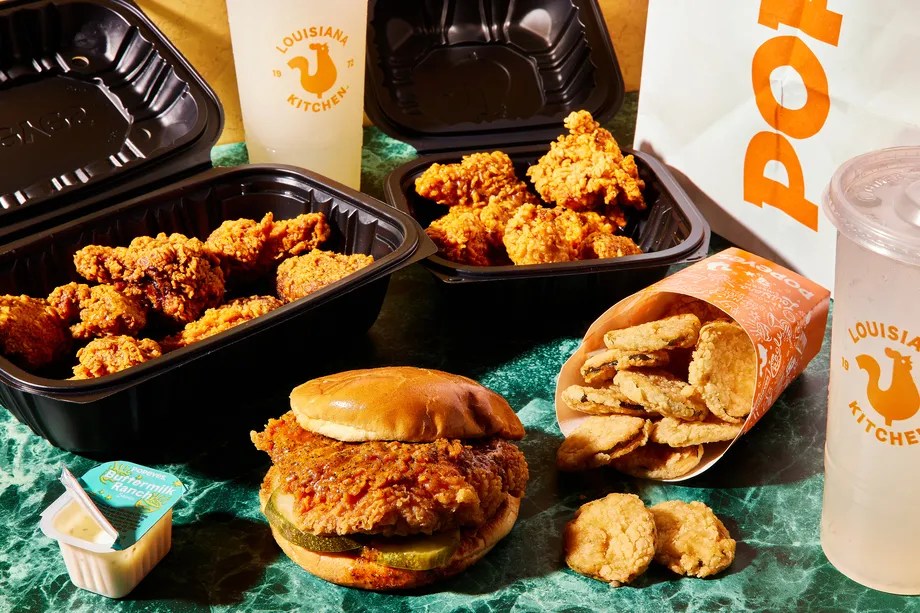
The pickle is Gen Z’s avocado; it’s a passion and a personality. But maybe, Jaya Saxena suggests, that’s missing the point…
In the Top Chef episode “Pickle Me This,” which aired on April 17, host Kristen Kish, in power clashing greens, announces that two teams of chefs must go head to head in creating an all-pickle dinner. The five-course meal was to feature different kinds of pickles in every course — not kimchi or achar necessarily, but instead the cornichons and dill of the European influence. There were charred pickles with cured mackerel, cucumber and celeriac pickle gelee, chef Massimo Piedimonte’s winning fried pickle cannolo, and of course a bread and butter pickle curd with dill ice cream. Individually, each dish sounded great, and judge Tom Colicchio said two of the dishes, including the dessert, were some of the best he’s ever had on the show.
Top Chef contestants often have to create meals utilizing an ingredient that’s in the culinary zeitgeist. Some of those meals are more successful than others. But a successful five-course meal of all things pickles illustrates the strange place in culture the pickle holds now: both cheffy and with diverse-enough flavor profiles to inspire chefs in fierce competition, but obvious and basic enough to also be a little bit of a joke. It’s the food of the moment, both sincerely and ironically.
As Rebecca Jennings wrote in Vox, pickles are Gen Z’s avocado, a viral food that people genuinely enjoy: They “pair well with other contemporary food trends like dirty martinis and canned cocktails, and fit right in with aesthetically pleasing butter boards and “girl dinner” spreads.” But people are also consuming pickles for the meme of it all. There are pickle chips, pickle popcorn, Flamin’ Hot pickle Cheetos, and pickle seltzer. Popeyes recently introduced an entire pickle menu, including pickle lemonade. 21Seeds wants you to make a spicy pickle martini with its tequila, and people are putting pickles in their soda. Sweetgreen has pickle ketchup, and of course Molly Baz has dill pickle mayo. And like any “it” food nowadays, the pickle has moved into fashion and home decor.
Like with any trend, though, it’s kind of exhausting when it’s everywhere. Pickles have become subject to the flavor-ification of actual foods; half the time, pickle-flavored anything is an unsatisfying approximation of the flavor of Central European-style pickled cucumbers — typically a combination of salt, vinegar, and artificial dill which evokes none of the live-culture fizz that hums through the real thing. It’s that complexity we crave, herbs and lactic acid and often spices like coriander.
But for the pickle to be the centerpiece of an entire five-course meal, or for it to be one’s personality to the point that it flavors every snack in one’s house, slightly misses the point of the pickle. A Popeyes meal of fried pickles and pickle glazed wings washed down with a pickle lemonade serves no refreshing alternative to the onslaught of puckering pickle potency. A filthy martini and a bowl of pickle popcorn offers no relief. What makes pickles great on a sandwich or a charcuterie board is usually that the pungent brine and preserving salt make for a great contrast to any creamy, sweet or rich ingredients. Pickles are salt and acid bombs that are delicious on their own, but also enhance every other flavor. It’s why olives are often served with bread and cheese plates have all that cheese. The back and forth is what makes pickles truly shine.
Obviously no one is forcing anyone to only consume pickles, and if that is indeed what your taste buds crave, then congrats on being the moment! But put pickles everywhere and they cease to be a treat, the shining zinging bite to zap you into whatever else you’re eating. Maybe they should stay a sometimes food…
The flavor of the moment: “Is There Too Much Pickle?” from @jayasaxena.com in @eater.bsky.social.
Possibly apposite?: “Will Gen Z’s Pivot to the Republican Party Last?– It’s not only young men who lean conservative. The youngest female voters are also abandoning the Democratic Party.” (gift article)
###
As we test our tastebuds, we might recall that it was on this date in 2009 that 12 year old Catherine Ralston ( a member of Gen Z) was named Easy-Bake “Baker of the Year” for her “Queen of Hearts Strawberry Tart.” The Easy-Bake Oven is, of course, a working toy oven that Kenner introduced in 1963 (more than 16 million Easy-Bake Ovens (in 11 models) had been sold by 1997), and which Hasbro still manufactures.

“Now I luxuriously thrust for noble pickle”*…
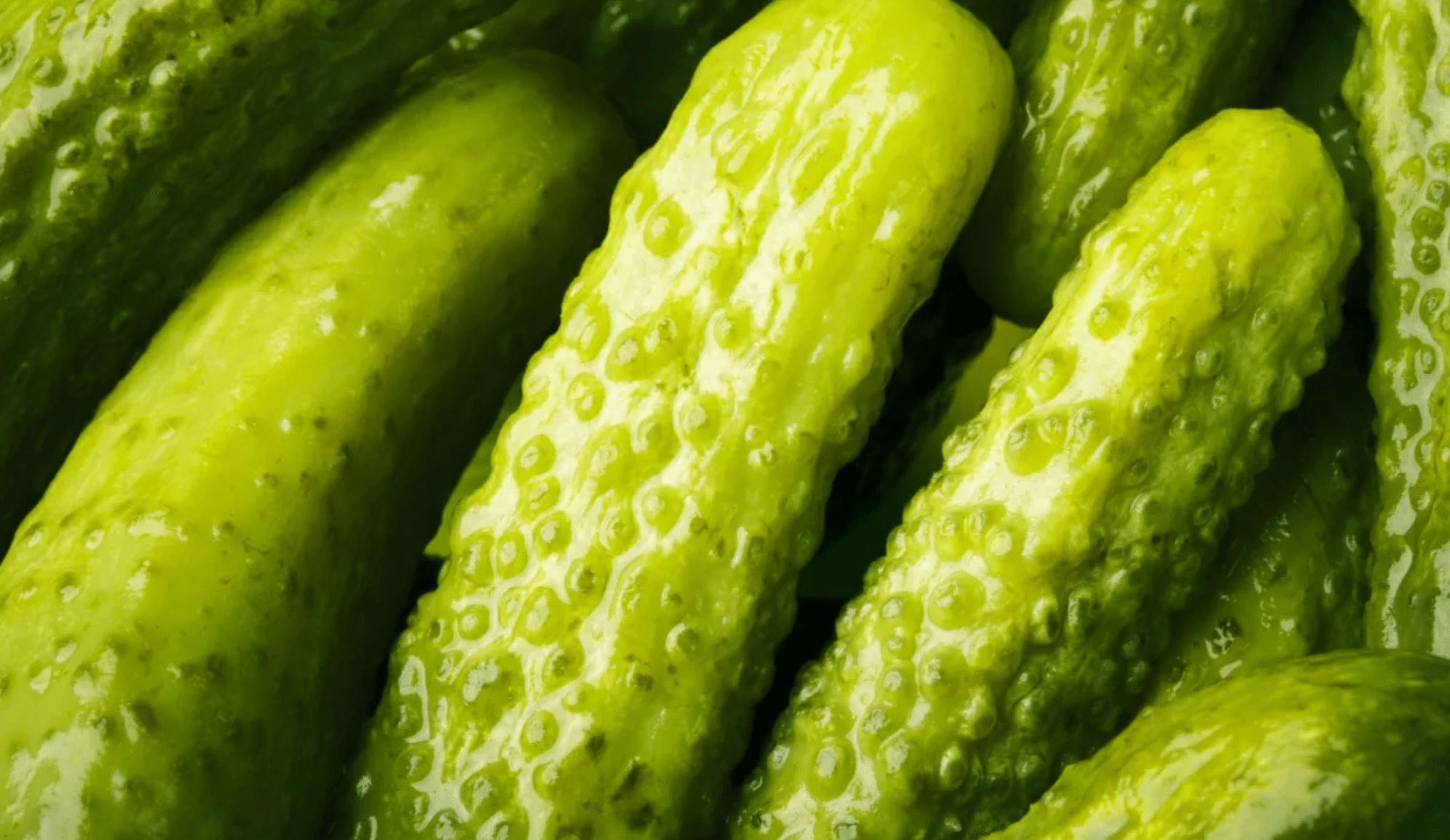
The delicacy that delights…
Amerigo Vespucci didn’t discover the Americas, contrary to what the map-makers who named the continents believed, but his given name did end up lending itself to the so-called “new world.” And Ralph Waldo Emerson once called Vespucci “the pickle-dealer at Seville,” a derisive label that may have stretched the truth a bit, but pointed towards a very real part of the itinerant Italian’s biography.
Before traveling to the New World himself, Vespucci worked as a ship chandler—someone who sold supplies to seafaring merchants and explorers. These supplies included foods like meat, fish, and vegetables that had been pickled, which meant they would stay preserved beneath a ship’s deck for months. Without pickling, expeditions had to rely on dried foods and ingredients with naturally long shelf lives for sustenance. Much of the time, this limited diet wasn’t enough to provide crewmembers the nutrition they needed for the journey ahead. This made pickle sellers like Vespucci indispensable during the golden age of exploration. Vespucci even supplied Christopher Columbus’s later voyages across the Atlantic with his briny goods. So while he wasn’t the world’s most important explorer, Vespucci’s pickles may have changed history by preventing untold bouts of scurvy.
And pickles weren’t just enjoyed by 15th century sailors. From ancient Mesopotamia to New York deli counters, they’ve played a vital role in the global culinary scene. But where do pickles come from? How did the cucumber become the standard-issue pickling vegetable in the States? And what exactly is a pickle, anyway?…
The story of a humble but crucial comestible: “A Brief History of Pickles.”
* Martial
###
As we dig in, we might spare a thought for Sylvester Graham; he died on this date in 1851. A Presbyterian minister, he preached primarily of the benefits of vegetarianism (and temperance). He urged the use only of whole, coarse grains– inspiring a host of graham flour, graham bread, and graham cracker products.

Greasepaint and Brine…

The legendary songwriting team of Burt Bacharach and Hal David once stated that “what the world needs now is love, sweet love.”
I beg to differ.
What the world needs– nay, rightfully deserves– are 1950s advertising photos of clowns eating pickle products.
More, at Armagideon Time’s “Greasepaint and Brine.”
###
As we tickle our tastebuds, we might recall that it was on this date in 1057, at the Battle of Lumphanan, that King Macbeth of Scotland was slain by Malcolm Canmore– whose father, King Duncan I, was murdered by Macbeth 17 years earlier.
(Shakespeare’s MacBeth is based on Raphael Holinshed’s Chronicles of England, Scotland, and Ireland, which in turn borrows from Boece’s 1527 Scotorum Historiae– which was crafted to flatter Duncan, an ancestor of Boece’s patron, King James V of Scotland. Accounts now considered more historically-accurate– and fairer to MacBeth– can be found in the novels of Dorothy Dunnett and Nigel Tranter… though of course the Bard’s tale is still the rippingest.)

Imagined 19th century portrait of Macbeth
You must be logged in to post a comment.