“Beans, Beans, the Musical Fruit”*…

Then remarkable Umberto Eco on his candidate for the most important innovation of the last millennium. After considering the stern mounted rudder, the horse shoe, the yoke, the improved plough, crop rotation, gunpowder, and other candidates, he nominates a humble but central development…
… But what I really want to talk about is beans, and not just beans but also peas and lentils. All these fruits of the earth are rich in vegetable proteins, as anyone who goes on a low-meat diet knows, for the nutritionist will be sure to insist that a nice dish of lentils or split peas has the nutritional value of a thick, juicy steak. Now the poor, in those remote Middle Ages, did not eat meat, unless they managed to raise a few chickens or engaged in poaching (the game of the forest was the property of the lords). And as I mentioned earlier, this poor diet begat a population that was ill nourished, thin, sickly, short and incapable of tending the fields. So when, in the 10th century, the cultivation of legumes began to spread, it had a profound effect on Europe. Working people were able to eat more protein; as a result, they became more robust, lived longer, created more children and repopulated a continent.
We believe that the inventions and the discoveries that have changed our lives depend on complex machines. But the fact is, we are still here — I mean we Europeans, but also those descendants of the Pilgrim Fathers and the Spanish conquistadors — because of beans. Without beans, the European population would not have doubled within a few centuries, today we would not number in the hundreds of millions and some of us, including even readers of this article, would not exist. Some philosophers say that this would be better, but I am not sure everyone agrees.
And what about the non-Europeans? I am unfamiliar with the history of beans on other continents, but surely even without European beans, the history of those continents would have been different, just as the commercial history of Europe would have been different without Chinese silk and Indian spices.
Above all, it seems to me that this story of beans is of some significance for us today. In the first place, it tells us that ecological problems must be taken seriously. Secondly, we have all known for a long time that if the West ate unmilled brown rice, husks and all (delicious, by the way), we would consume less food, and better food.
But who thinks of such things? Everyone will say that the greatest invention of the millennium is television or the microchip. But it would be a good thing if we learned to learn something from the Dark Ages too…
What innovation was most instrumental in creating the modern world? “Best Invention: How the Bean Saved Civilization” (gift link) from the April 18, 1999 edition of @nytimes.com.
(Image above: source)
* children’s playground saying
###
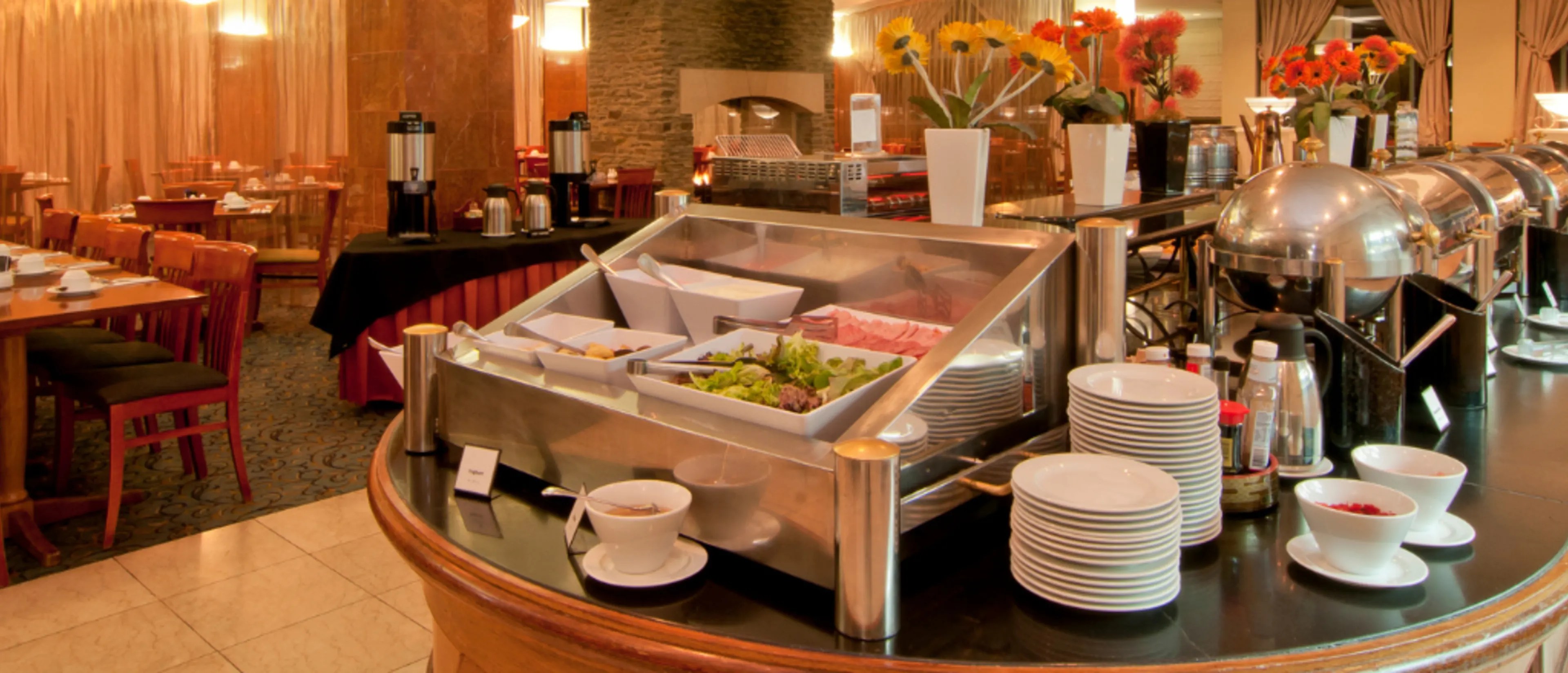
As we lionize legumes, we might note that today is National Buffet Day, a celebration of an occasion to heap one’s plate with beans (or whatever).
You must be logged in to post a comment.